

Construction: Its Process, History, and Vital Role in Infrastructure Development
The stages of the construction process, how construction has evolved, and its role in building infrastructure.
Published · Tim Inland

Table of Contents
- A Brief History of Construction
- From Stone and Timber to Concrete
- The Industrial Revolution
- Modern Construction
- Stages of the Construction Process
- 1. Planning and Feasibility
- 2. Design
- 3. Procurement
- 4. Execution
- 5. Supervision and Quality Control
- 6. Handover and Maintenance
- Types of Construction
- Why Construction Matters
- Today’s Construction Challenges
- Build with Inland
Construction is the set of activities that turns a design into a real building or piece of infrastructure — from homes and buildings to roads and bridges. Good construction ensures a building is safe, fit for purpose, on time, and on budget.
A Brief History of Construction
From Stone and Timber to Concrete
Early construction relied on natural materials such as timber, earth, and stone. The Romans later developed concrete and the arch, enabling wide-span buildings and bridges.
The Industrial Revolution
The 18th and 19th centuries brought mass-produced iron and steel. Reinforced concrete — concrete strengthened with steel bars — became the main material of modern buildings because it resists both compression and tension.
Modern Construction
Today construction is supported by heavy machinery, precast concrete, computer-based structural analysis, and 3D modelling and BIM (Building Information Modeling) for more precise planning.
Stages of the Construction Process
1. Planning and Feasibility
Defining requirements, budget, and schedule, and checking site conditions and permits.
2. Design
Architects and engineers prepare the architectural design, structural calculations, and working drawings, along with a detailed cost estimate.
3. Procurement
Selecting the contractor, workforce, and materials to specification.
4. Execution
Site preparation, foundations, structure (columns, beams, slabs), walls, roof, electrical and plumbing installation, and finishing.
5. Supervision and Quality Control
Every stage is checked against the drawings, material specifications, and safety standards.
6. Handover and Maintenance
The building is inspected with the owner before handover; routine maintenance then keeps it in top condition.
Types of Construction
- Building construction: homes, shophouses, offices, apartments, and commercial buildings.
- Infrastructure construction: roads, bridges, dams, and water networks.
- Industrial construction: factories, warehouses, and production facilities.
Why Construction Matters
Construction is the backbone of development. Good infrastructure opens economic access, speeds up mobility, and raises quality of life. At the household level, sound construction gives families a safe, comfortable home for decades. The industry also employs many people and drives related sectors such as materials and transport.
Today’s Construction Challenges
- Worker safety, especially for work at height.
- Cost and schedule control to keep projects on track.
- Consistent material and workmanship quality.
- Sustainability: energy efficiency, waste management, and greener materials.
Build with Inland
Inland handles house construction from the ground up to move-in ready, house renovation, and building maintenance with careful planning, transparent budgets, and close supervision. Discuss your project with our team.
Read also: House construction budget (RAB) · How to choose a home contractor · PBG building approval in Indonesia · Related service: contractor services.
Related Articles
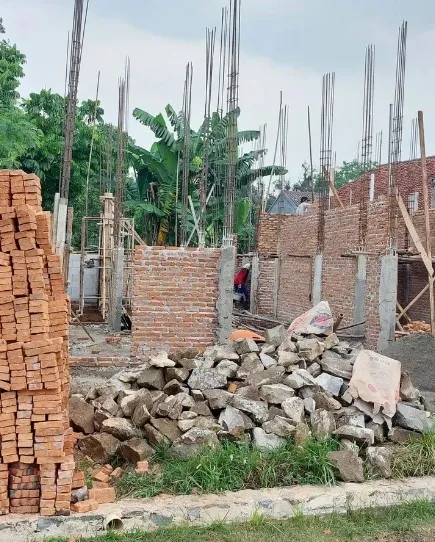
House Construction Budget (RAB): What It Includes and How to Prepare One
A RAB is the key to keeping a build or renovation budget under control. Learn what goes into it, how to prepare one step by step, and the most common mistakes.
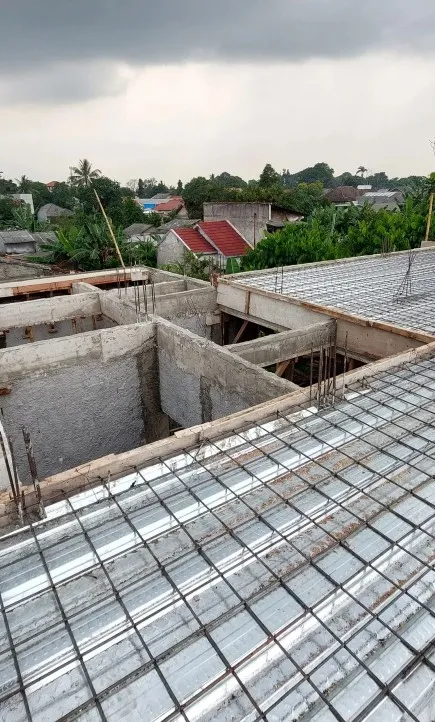
How to Choose a Reliable Home Contractor: 10 Things to Check
Don't let your home project stall halfway. Here are 10 things to check before hiring a contractor, from portfolio and cost estimate to the contract and progress-based payments.
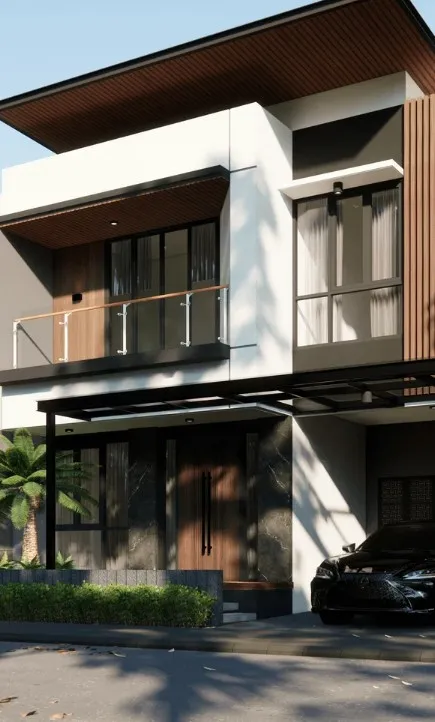
PBG, the Building Approval That Replaced the IMB in Indonesia: Requirements and Process
Since 2021, Indonesia's IMB building permit has been replaced by the PBG. Learn when a house needs a PBG, which documents are required, how to apply online through SIMBG, and what changes for existing homes.